
The power of being seen: Why everyone should participate in the 2026 Census
Christina Chia
Before people can belong, contribute or thrive, they must first be seen. In many ways, that is what the Census seeks to achieve.
Having migrated to Australia from Malaysia more than 30 years ago as a single parent with two young daughters, I have experienced first-hand the importance of feeling recognised, included and represented. Now, as a leader in both the business and community sectors, I see the practical value of the Census every day and have come to truly appreciate how much it benefits us all.
Census data helps leaders make better decisions
I know from experience that quality data informs better strategy, planning and decision-making.
During my time as Chief Operating Officer at a national education business, Census data showed significant population growth in Melbourne’s western and northern growth corridors, particularly among multicultural families. Rather than relying on assumptions, we used this evidence to decide where to establish new campuses so students could access quality tutoring closer to home. Census data helped us invest in communities where demand was genuinely growing. For example, Census data also showed growing Chinese, Indian and Vietnamese communities in several suburbs. That information influenced where we established new campuses and how we engaged parents through culturally appropriate communication.
When it comes to community leadership, helping everyone to become visible, represented and connected is the first step to uplifting a community. Reliable demographic data from the Census gives leaders the evidence needed to back up or challenge their assumptions.
Census is more than numbers; it is about the people and their stories
Every community has a story and we know that multicultural communities contribute economically, culturally and socially to Australia. Census data tells that story. That is why it is so important to participate; every answer matters.
The Census also creates a historical record. It tells future generations how Australia has evolved into one of the world’s most multicultural nations.
Australia has changed since the last Census in 2021. Migration patterns, housing, education, employment and community needs have evolved.
Growing communities need to be accurately represented for governments and organisations to plan their resources effectively. When the community’s growth is reflected in Census data, it tells decision-makers where to build schools, childcare centres, and hospitals. It can help secure funding for mental health support, employment programs, and language services – delivering the practical support our community relies on to thrive in Australia.
Fill in the Census on Tuesday 11 August
Completing the Census is about more than filling in a form. It is about ensuring every person, every family and every community has the opportunity to be counted and seen.
That is why I believe participating in the Census matters. Because when people are seen, they belong. When they belong, they contribute. And when everyone is counted, it helps us to plan for Australia’s future.
I encourage people to fill in the Census. You can do it as soon as you get instructions in the mail, and if you know where you will be on Census night, Tuesday 11 August.
For more information about the 2026 Census in your preferred language, visit census.abs.gov.au/language
About the author
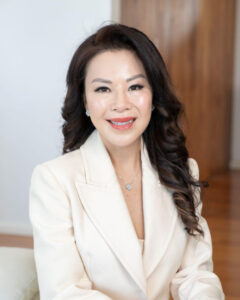
Christina Chia is a Non-Executive Director of Box Hill Institute, strategic advisor and author of Leading Beyond the Bamboo Ceiling. She serves as Vice President of the Chinese Association of Victoria, Chairperson of Euphoria Foundation and holds board and leadership roles across several community and business organisations. With more than 25 years of executive leadership and governance experience, Christina has led organisations across education, workforce participation, aged care, community services and the not-for-profit sector in Australia and Southeast Asia.