Grounded: Tax dodgers banned from leaving the country
The Australian Taxation Office (ATO) is actively using departure prohibition orders (DPOs) as part of a broader shift towards strengthening payment performance and debt collection.
A DPO is an enforcement action available to the ATO to prevent certain persons with tax liabilities from leaving Australia without paying their outstanding tax.
Since July 2025, the ATO has issued 21 DPOs, more than the total number issued in the financial year ended 30 June 2025.
Taxpayers who have accumulated significant tax debts that they have the means to pay, and who take deliberate steps to avoid paying, can expect to have overseas travel plans disrupted by the ATO. The ATO’s preference is always to support taxpayers willing to comply to pay through early intervention activities, SMS reminders, outbound letters, and tailored guidance.

However, where the ATO has concerns that a taxpayer is seeking to flee the jurisdiction or is spending money on overseas trips in preference to meeting their tax or superannuation obligations, the ATO may issue a DPO to protect the interests of the rest of the community.
The ATO is focused on reducing unpaid tax and bringing down the $50 billion collectable debt book through its approach to debt management. This includes taking necessary actions on taxpayers who refuse to pay debts, particularly those relating to unpaid employee superannuation, and taxes withheld from employees’ wages, or collected from customers as GST – but not passed on to the government.
A taxpayer was recently prevented from boarding a flight from in the early hours of the morning due to a DPO imposed by the ATO because of deliberate non-payment of a significant debt.
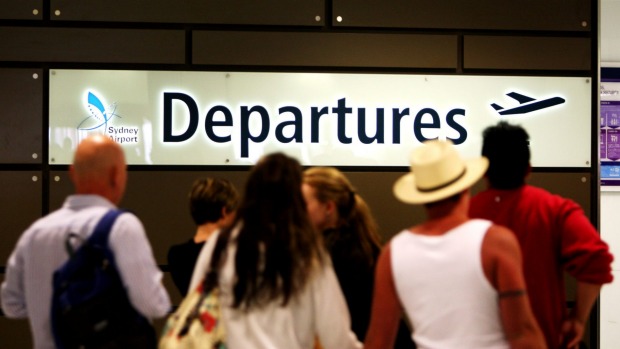
The increased use of DPOs is just one example of the strong and deliberate action the ATO is taking to deal with taxpayers who are continuing to ignore their obligations and refuse to engage to pay their outstanding amounts. For these taxpayers, the ATO is moving faster to deploy the full powers available to secure payment and prevent the further accumulation of debt. Other examples of firmer actions include director penalty notices, garnishees, referrals to credit reporting bureaus and wind-up applications.
DPOs are often applied in conjunction with other firmer actions, where the impact of these other actions would be limited or rendered futile if the taxpayer left the country.
Taxpayers can avoid firmer actions by contacting the ATO to discuss their payment options, paying in full and on time or setting up a payment plan. (ATO)