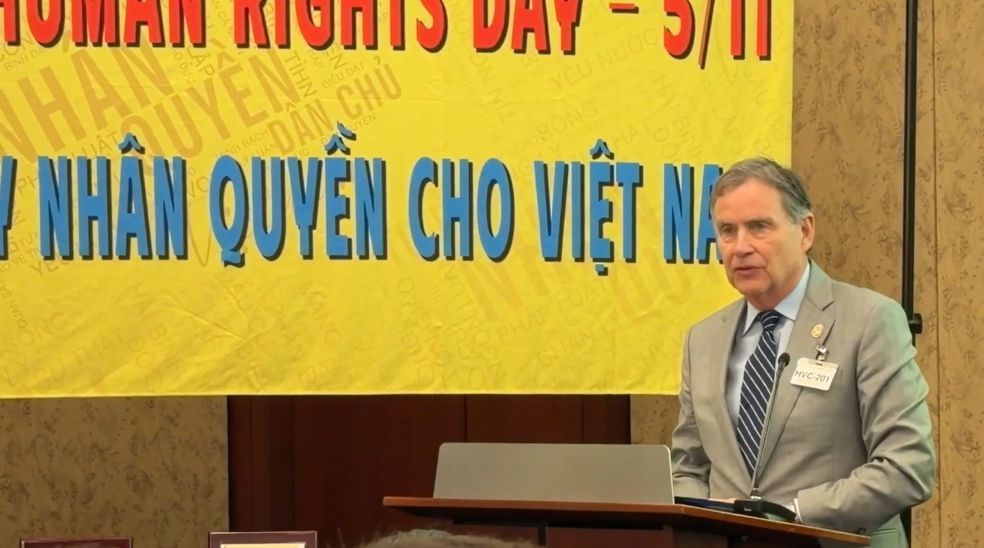
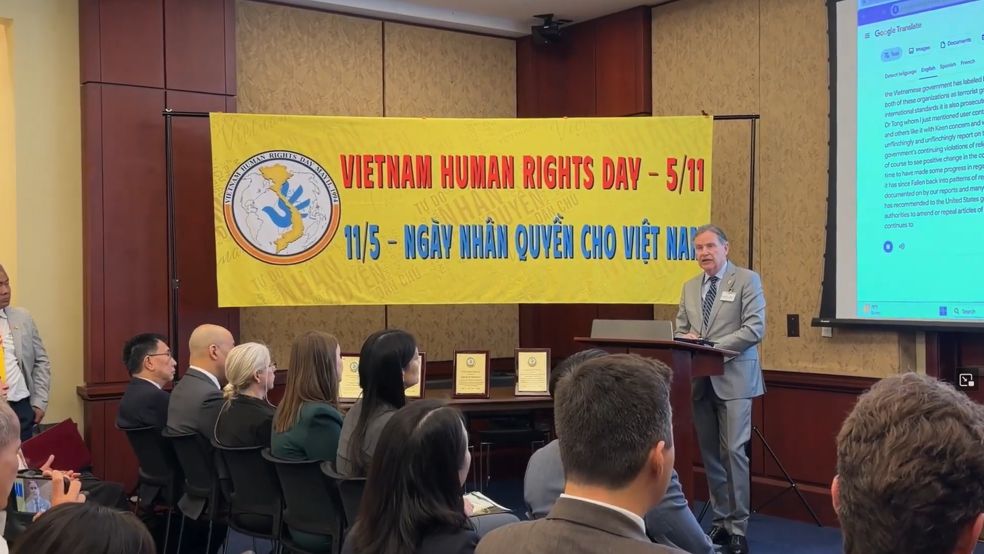
VIDEO: Dr. Stephen Schneck’s Speech on Vietnam Human Rights Day 2026
REMARKS by Dr Stephen Schneck, USCIRF Commissioner
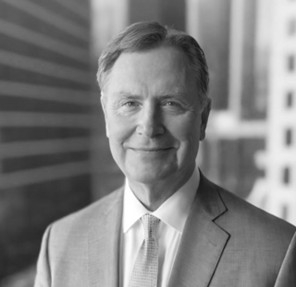
Dr. Stephen F. Schneck, Ph.D.
Commissioner with the United States Commission on International Religious Freedom (USCIRF)
Dr. Stephen F. Schneck, Ph.D. served as the Chair of the United States Commission on International Religious Freedom for 2024-2025. He was first appointed to the Commission by President Joseph Biden twice, in 2022 and in 2024. He served the administration of President Barack Obama as a member of the White House Advisory Council for Faith-Based and Neighborhood Partnerships. A political philosopher by training, Dr. Schneck retired from The Catholic University of America in 2018 after more than thirty years as associate professor, department chair, and dean. He received his doctorate from the University of Notre Dame.
Good morning, everyone.
I want to talk about one very important right among all of the rights at issue today, and that is the right to freedom of religion or belief.
As you heard, my name is Steve Schneck. I’m a commissioner with the United States Commission on International Religious Freedom, or USCIRF as it’s called. I’m honored to be here with you today as we continue to mark Vietnam Human Rights Day. In fact, the situation of human rights, as we’ve just heard from Ambassador Turner, merits more than one day of commemoration. It demands continuous attention, particularly regarding the ongoing crackdown on freedom of religion or belief, which is a fundamental freedom in international law guaranteed to the people of Vietnam.
The United States Commission on International Religious Freedom is a government agency that monitors religious freedom around the world. We make policy recommendations to the United States President, to the Secretary of State, and to Congress about what to do about religious freedom around the world. Each year, we publish an annual report assessing freedom of religion conditions in countries we determine to be among the worst violators, including our recommendations as to country designations.
Since 2002, the commission has recommended that Vietnam be designated a “Country of Particular Concern.” This includes our most recent annual report. And I want to be clear, this designation is the designation that we give to the very worst violators of religious freedom around the world.
In our report, we noted that the 2018 Law on Belief and Religion and its implementing decrees remain the principal tool for Vietnamese authorities to manage religious affairs. Authorities have long used ill-defined national security provisions to target and to prosecute Vietnamese civilians. Our report notes that Vietnam’s Deputy Prime Minister has outlined ethnic and religious affairs as one of the six strategic priorities, and we are very closely monitoring how the 2026 revisions to the Law on Belief and Religion may further impact religious freedom in Vietnam.
In our latest country update on Vietnam, which was released last December, we noted that Vietnam has made notable strides to embrace recognized religious groups, but generally at the expense of independent religious communities whose members continue to face repression. Vietnamese authorities threaten, harass, physically attack, detain, and imprison individuals from these communities because of their religious practices.
Religious groups that the Vietnam government persecutes include such groups as:
- Cao Dai followers
- Hoa Hao Buddhists
- Khmer Krom Buddhists
- Hmong and Montagnard Christians
Regardless of their religious affiliations though, any person in Vietnam who seeks to practice their religion outside of a state-sponsored religious organization is at risk of being targeted by the government. These individuals often face intrusive monitoring and pressure from government authorities to join state-sponsored, state-sanctioned religious groups.
Let me say this plainly: According to international law, individuals must be free to practice their religion or belief without any mandatory approval from their government.
There is a real and tragic human cost for Vietnam’s systematic, ongoing, and egregious violations against unregistered religious groups and individuals. My commission’s Frank R. Wolf Freedom of Religion or Belief Victims List, for example, documents more than 90 individuals whom Vietnamese authorities have detained or imprisoned simply for trying to practice their religion or belief or to advocate for religious freedom.
One such victim is Y Quynh Bdap, whom Thai authorities extradited back to Vietnam where a court subsequently convicted him and imprisoned him on spurious charges.
USCIRF is well aware of Vietnam’s engagement in transnational repression as well, including against Dhutanga monk Thich Minh Tue who is currently in Nepal, and against the US-based human rights organization BPSOS. And let me say here on a personal note that Dr. Thang is someone whom I admire very much personally and revere his work in this regard, as well as the Thailand-based Montagnard group Stand for Justice.
The Vietnamese government has labeled both of these organizations as terrorist groups in contravention of international standards. It has also prosecuted and sentenced in absentia Dr. Thang, whom I just mentioned.
USCIRF continues to watch these cases and others like it with keen concern, and we will continue to monitor unflinchingly and report unflinchingly on the Vietnamese government’s continuing violations of religious freedom. It is our hope, of course, to see positive change in the country, which appeared for a time to have made some progress in regards to religious freedom but has since fallen back into patterns of repression that are documented by our reports and many others.
To that end, USCIRF has recommended to the United States government to call on Vietnamese authorities to amend or repeal articles of its criminal code by which it continues to target adherents of independent religious groups. We also recommend that the United States government engage with Vietnam’s Ministry of Ethnic and Religious Affairs to ensure that amendments to the Law on Belief and Religion conform to international standards. And we’ve called on the US Congress to seize every opportunityto raise Vietnam’s ongoing freedom of religion or belief concerns and to introduce legislative efforts to improve religious freedom in Vietnam, such as through the Vietnam Human Rights Act (HR 3122) referred to the House Foreign Affairs Committee and to the House Judiciary Committee in April of last year.
Ladies and gentlemen and distinguished guests, I want to thank you for the invitation to speak here on behalf of the Commission on Human Rights Day, May 11th. And thank you again for inviting the commission to join your commemoration.
Your work is vital for the advancement of religious freedom and broader human rights in Vietnam. I applaud your work and thank you for your bravery. Appreciate it.
Dr. Stephen F. Schneck
(Vietnam Human Rights Day, May 11, 2026)